Circles, Seasons and Choosing What Comes Next

Leslie Guerin • December 20, 2025

There’s something about the Christmas season that naturally pulls us inward.

The calendar tells us it’s the end of the year, but our bodies already know. The light shifts. The pace changes. Even those of us who love momentum and movement feel the quiet tug to pause—if only briefly—and take inventory of where we’ve been and what we’re carrying forward.


For many people, this season is about family coming together. For some, that’s cozy and comforting. For others, it’s complicated, layered, and emotional. Sometimes all of those things exist at once.


I live very much in that middle space.


The Shape of Family Isn’t Always a Circle


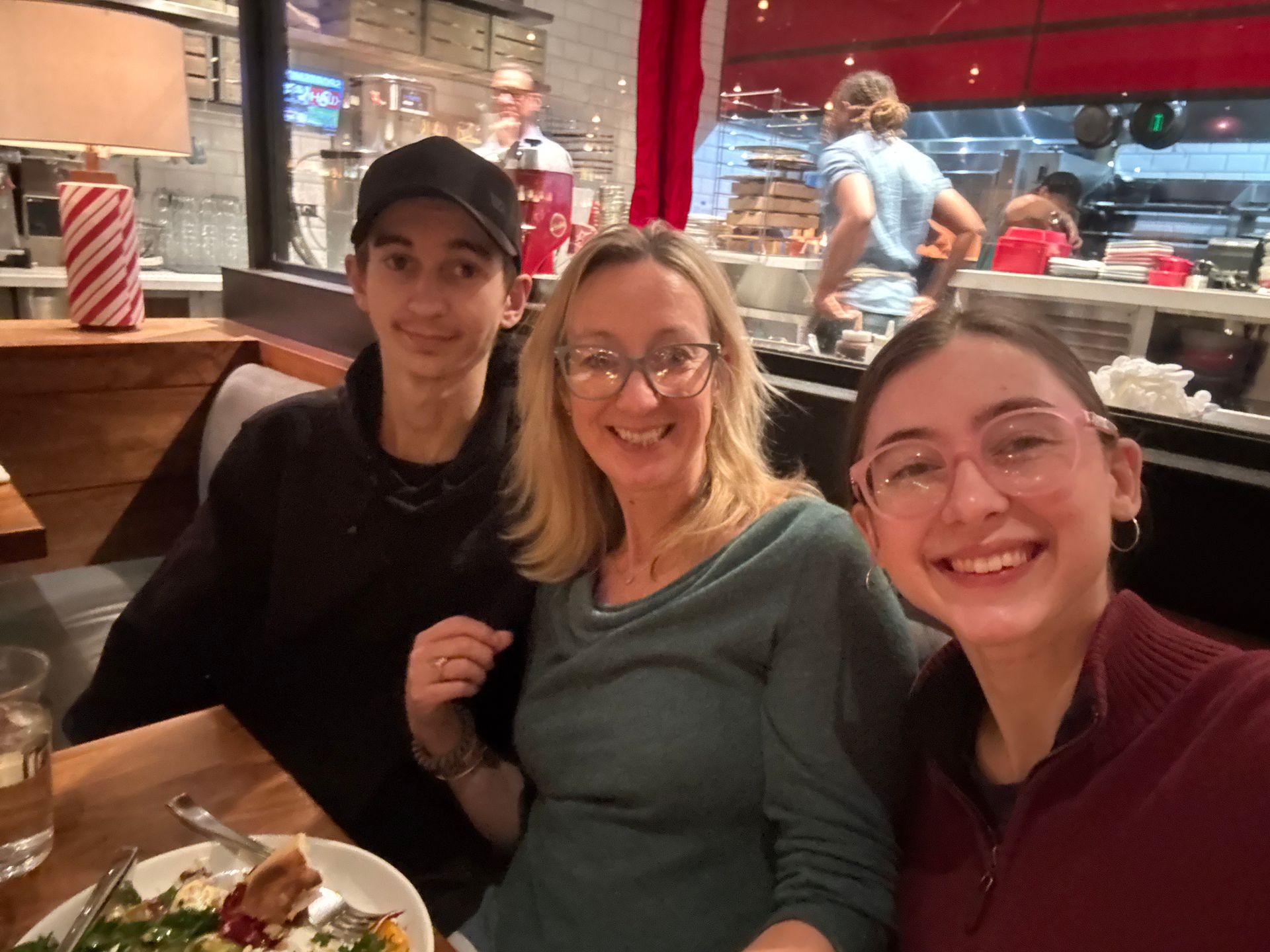
My children are children of divorce.


That sentence still catches in my throat a bit—not because it defines them, but because it taps into a part of my own history that I’ve carried for a long time. I was also a child of divorce, and while I’ve done a lot of work around that experience, there are moments when old memories still rise up unexpectedly.


One of those moments was watching other families gather—really gather—around their child at big milestones. High school graduations. College graduations. That full-circle photo: parents together, arms wrapped around the same person, standing in the same frame.


I didn’t have that.


And I remember how much it sucked.


When the father of my children and I split, we hoped—very intentionally—to be different. In many ways, we were and still are. We made choices rooted in respect, communication, and prioritizing our kids. But some things can’t be forced.


A group photo that’s fake is worse than not having one at all.


And so, my children also lack that single, tidy circle of support.


For a long time, I saw that as a deficit.


More Circles, Not Fewer


What I’ve come to realize—slowly, imperfectly, and with a lot of reflection—is that my children don’t have less support.


They have more circles.


My parents both repartnered. At the time, that felt like another fracture. Another layer of separation. But over the years, those additions expanded my community—and, in turn, my growth.


The same has happened for my children.


They have been raised by a village.


Friends who show up. Friends who stay. Friends who cheer for them—and for me—louder than the two voices of their father and I could ever manage on our own.


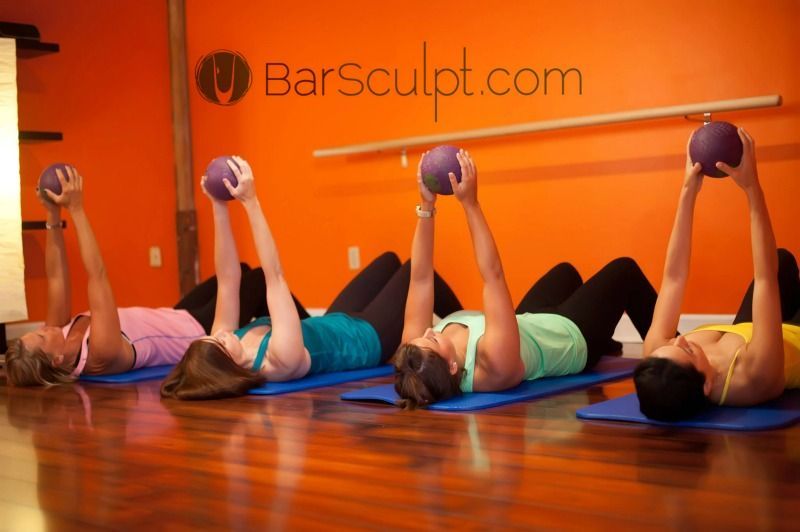
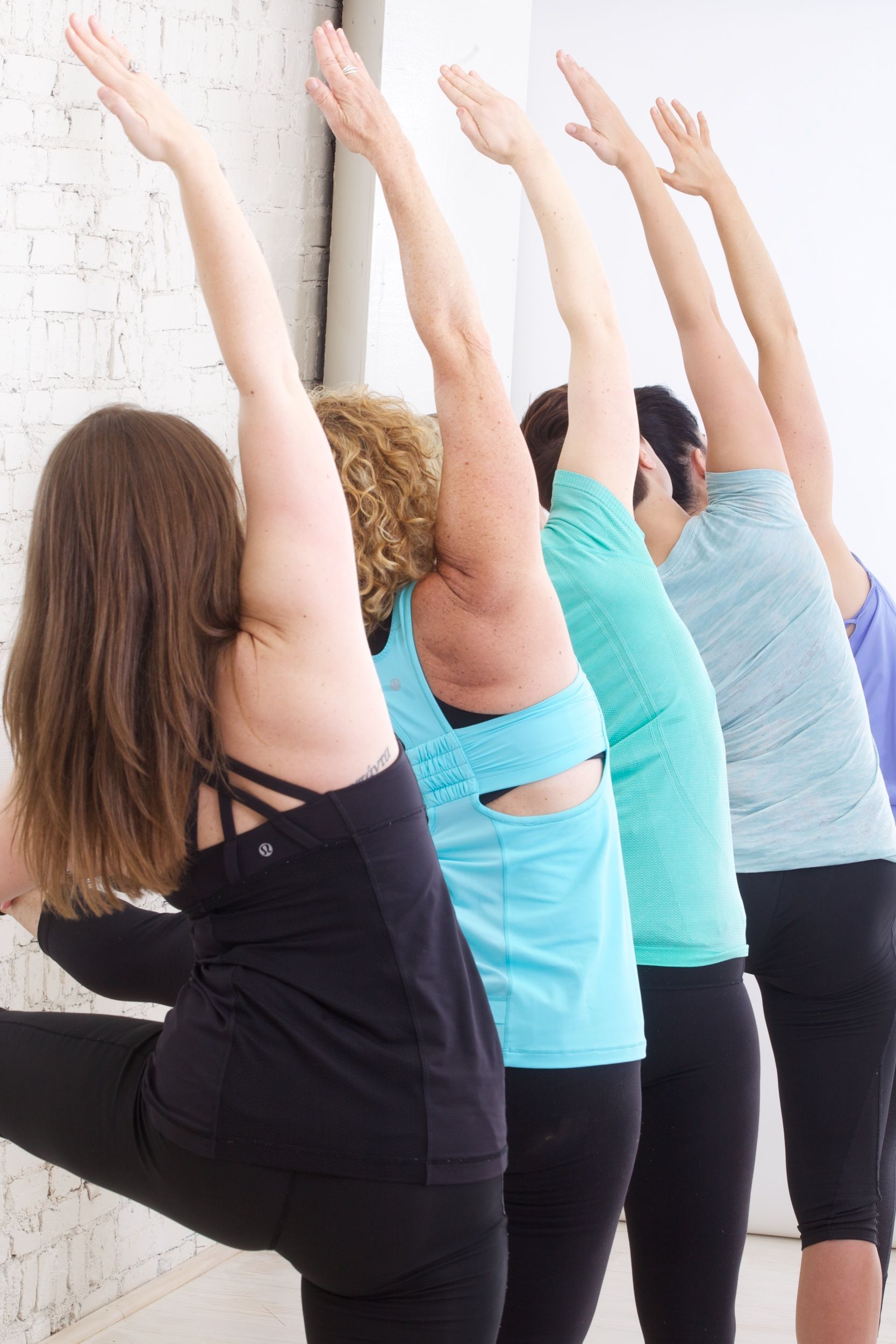
If you’ve ever been part of a group fitness class, you know this feeling.


You don’t walk in knowing everyone.

You don’t all move exactly the same.

But somehow, the collective energy holds you up.


That’s what our lives look like.


When the Holidays Complicate the Math


The holidays amplify everything.


They’re supposed to be about gratitude and generosity, about sharing time and love with the people who matter most. But when your life is made up of many circles, not one neat ring, that sharing can become complicated.


Who gets time?

Who gets which day?

How do you stretch yourself without breaking?


For years, I tried to be everywhere at once. I tried to honor every circle equally. I tried to show up fully for everyone.


And every year, I felt more depleted.


So now, I do something different.


Closing the Circle—On Purpose


Each year around the holidays, I intentionally close the circle.


Just me.

And my two children.


We carve out time that belongs only to us—no expectations, no performance, no trying to prove that we did it “right.”


Time together reminds me of something important:

That while I have done many things wrong while parenting and growing up alongside them, I have also done some good.


I have been present.

I have been consistent.

I have stayed curious.


And maybe most importantly—I have kept moving.


A Career That Grew With My Kids


I’ve done the same job for my entire career.

And for my children’s entire lives.


But I’ve done it in unconventional ways.


Much like our family.


I didn’t follow a straight line. I built BarSculpt through pivots, adaptations, injuries, recoveries, and reinventions. I taught in studios. I taught online. I taught in living rooms and on screens and across time zones.


If you’ve taken my classes, you know I don’t believe in one “right” way to move.


And I don’t believe in one “right” way to live either.


Things can be however you want them to be.


Letting Go of the White Picket Fence


I grew up thinking—truly believing—that there was a single template for success:


Marriage.

Kids.

Dog.

House with a white picket fence.

Two cars in the driveway.


I don’t know exactly where that belief came from, but I chased it hard.


I did it.

More than once.


And now?


Now I’m exploring condo living.

The ability to lock the door and travel.

To step away from darkness and snow in the winter.

To design a life that fits who I am now, not who I thought I was supposed to be.


I can only move on my own path because I know theirs is secure.


Equal Voices, Not Hierarchies


We reside in three different states.

I don’t share my children’s last name.

And we problem-solve as equals.


Not because I don’t have more experience—because I do—but because experience doesn’t automatically equal wisdom.


If I’ve learned anything with age, it’s that age means absolutely nothing.


These two souls keep me young because I learn from them constantly. Our exchange may not be equal in effort or responsibility, but it is absolutely reciprocal.


That’s something I see mirrored in movement spaces all the time.


Teachers learn from students.

Leaders learn from communities.

Strength isn’t top-down—it’s shared.


Movement as a Metaphor for Planning Ahead


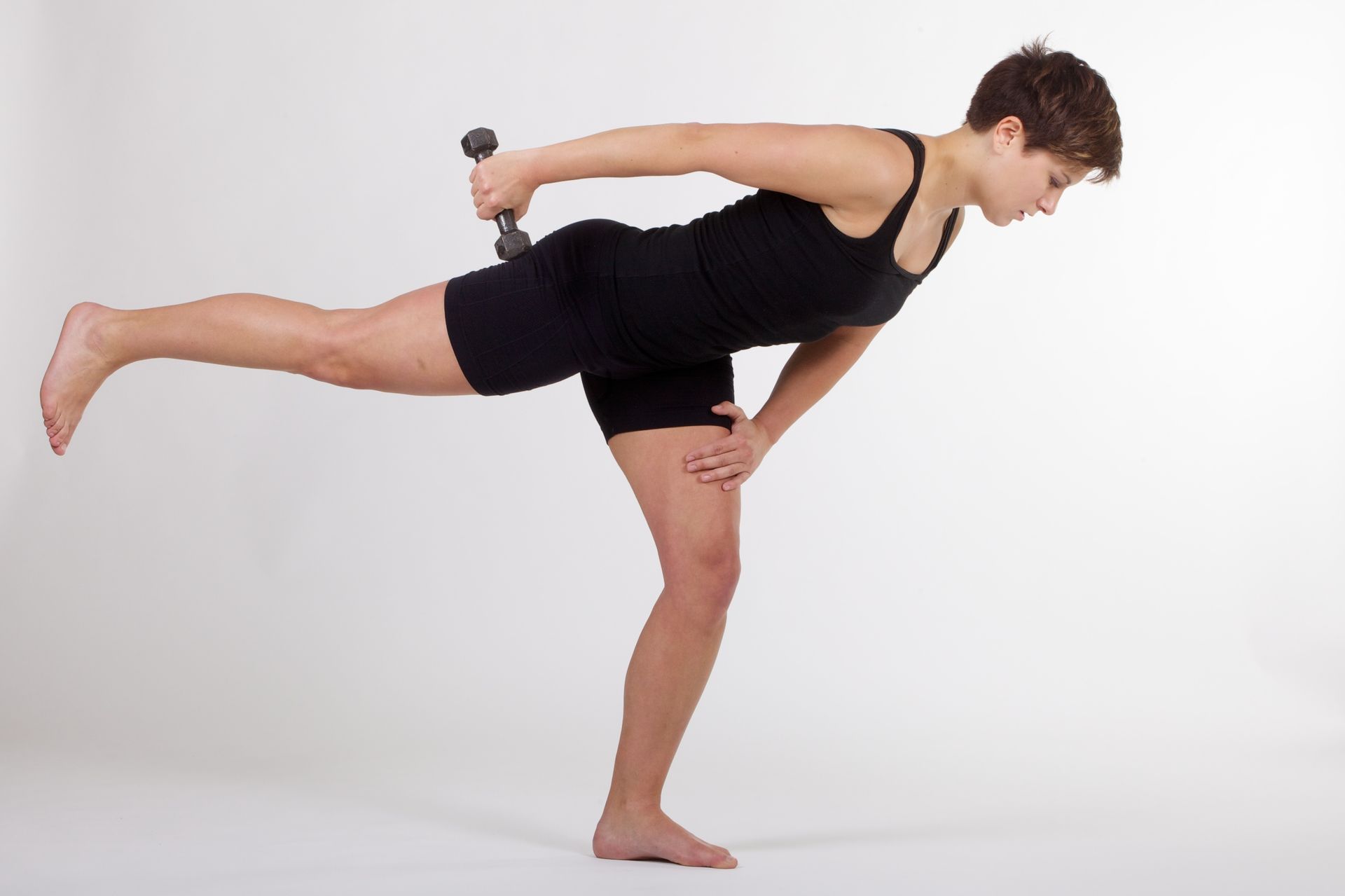
As a barre and Pilates instructor, I spend a lot of time talking about alignment, intention, and control.


But what I care about most is adaptability.


Life doesn’t move in straight lines.

Bodies don’t either.


The end of the year is often framed as a time to set goals, make resolutions, and push forward. But before we rush ahead, there’s value in closing the loop on where we are.


In Pilates, we return to center.

In barre, we check our base.

In life, we take stock of our circles.


What’s supporting you?

What’s draining you?

Where are you forcing something that doesn’t fit anymore?


Forward Planning Doesn’t Have to Be Aggressive


Planning for the new year doesn’t have to mean overhauling your life.


Sometimes it’s as simple as asking:


  • What do I want to protect?
  • What do I want to strengthen?
  • What can I release?


For me, the answer this season is connection.


Not the performative kind.

The real kind.


A Three-Day Adventure


As we head out on our three-day adventure to Washington, D.C.—to connect, be silly, and make memories—I feel grounded in a way that has nothing to do with doing things “right.”


I’ll pull my circle strings tight.


Not to exclude others.

But to anchor us.


So that for the rest of the year, even when we’re miles apart, we feel that connection.


That’s what sustains us.

That’s what allows us to keep moving forward.


Bringing It Back to You


If this season feels messy for you—if your family doesn’t look like the movies, if your circles overlap instead of align—know this:


You are not doing it wrong.


Just like in movement, stability doesn’t come from rigidity.

It comes from awareness, balance, and choice.


As we close out this year and begin planning for the next, I invite you to consider:

What does your circle look like?

And how can you honor it—exactly as it is?


From my BarSculpt family to yours, may this season offer moments of grounding, clarity, and connection—however you choose to define them.


And may the year ahead meet you where you are, not where you think you’re supposed to be.


By Leslie Guerin February 6, 2026
Why knowing when to take a private session is part of being a smart, respectful mover
By Leslie Guerin February 5, 2026
a Thousand Different Ways
By Leslie Guerin February 4, 2026
Why the Future of Movement Has to Change
By Leslie Guerin February 2, 2026
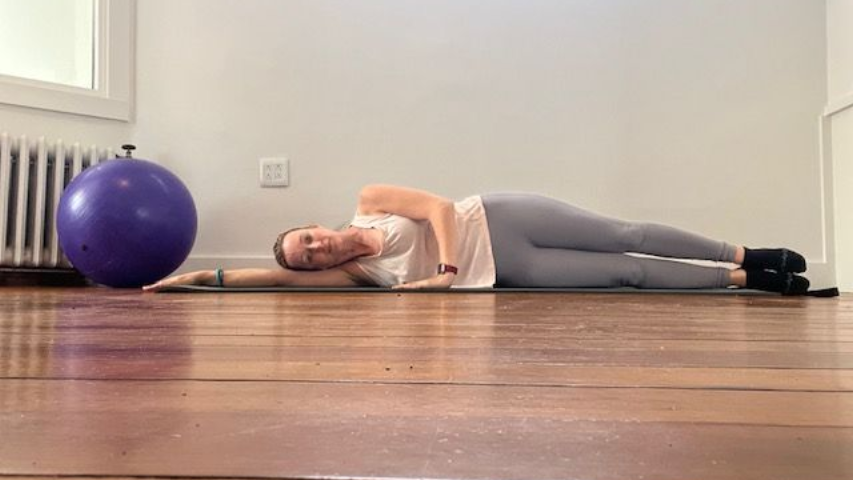
Stability Is Not Stillness — It’s Organized Effort “Hold still.” If you’ve ever taken one of my classes, you’ve heard me say it. And if you’ve ever felt it, you know it isn’t about freezing. Most of the time when a teacher says “hold still,” it’s because something else is happening. Maybe bouncing, gripping, bracing, or compensating of some kind. Something is moving that shouldn’t be. But “hold still” does not mean “be still.” Those two cues might sound similar, but in Pilates they mean very different things. Be Still vs Hold Still Be still is a pause. It’s a full stop. It’s often used so you can feel one specific thing: “Be still… feel your ribs.” “Be still… notice your pelvis.” “Be still… now breathe.” It’s about attention. Hold still is something else entirely. Hold still means: Stay organized Stay lifted Stay connected Stay breathing You are not passive. You are not collapsed. You are actively maintaining shape while something else moves. It is one of the most advanced skills in Pilates. Why Teachers Say “Hold Still” We say it when we see: The pelvis shifting The ribs popping The shoulders helping Momentum sneaking in The body is trying to get the job done by recruiting the wrong helpers. So “hold still” is really a request for clean movement : Let only the part that is supposed to move… move. Everything else must work just as hard, just not by changing position. Side-Lying Leg Lifts: The Perfect Example Let’s take one of the most deceptively simple exercises in mat Pilates: Side-lying leg lifts. On the surface, it looks like this: You lie on your side You lift the top leg You lower it But what is really happening is far more complex. This exercise is designed to balance one side of the body on the other . The top leg moves. The rest of the body holds still. Not rigid. Not collapsed. Not gripping. Holding. What “Hold Still” Actually Means Here While the top leg lifts and lowers: The bottom side of the body is working. The bottom rib cage is lifted off the mat, creating space The waist is long, not sagging The spine is stacked, not rolled back The top hand in front of the body is not there to lean on, it is there to quiet the rocking forward and backward. The pelvis stays level. No tipping. No hiking. No rolling. Everything that is not the leg is holding still... but nothing is relaxed. This Is Why Breathing Matters If you stop breathing, you are not holding still. You are bracing. Holding still means you can: Maintain the shape Keep the effort And still let the breath move That’s where the deep stabilizers do their job: The abdominals The muscles along the spine The lateral hip The inner thighs The breath becomes the test: Can you stay organized even while something else is moving? That’s real control. Why This Cue Changes Everything “Hold still” teaches the nervous system something incredibly important: You don’t create strength by moving more. You create strength by controlling what doesn’t move . That’s how: Hips become more stable Backs become more supported Movement becomes quieter and more powerful It’s also how injuries are prevented, especially in people who are flexible, mobile, or used to muscling through. So Next Time You Hear It… When I say “hold still,” I’m not asking you to freeze. I’m asking you to: Stay lifted Stay connected Stay breathing Stay honest Let the right thing move. Let everything else do its job. That’s Pilates.
By Leslie Guerin January 30, 2026
Small, regular efforts add up
By Leslie Guerin January 29, 2026
The Manual I Wish I Had When I Started Teaching Pilates
By Leslie Guerin January 28, 2026
A Thoughtful Approach to Barre, Mat Pilates, and Reformer Progression in the Modern Studio
By Leslie Guerin January 27, 2026
In Every Movement
By Leslie Guerin January 26, 2026
(And What to Say Instead)
By Leslie Guerin January 23, 2026
Why I Built a One-to-One, Self-Paced Teacher Training Model
Show More