Not Just Certified

Leslie Guerin • January 23, 2026

Why I Built a One-to-One, Self-Paced Teacher Training Model

For a long time, I tried to ignore the growing discomfort I felt with traditional teacher trainings.

Not because they were bad. Not because they didn’t work.

But because the more years I spent teaching, mentoring, owning studios, and training instructors, the more I saw the same pattern repeat:

People would finish a certification… and still not feel ready.

They had hours logged. They had manuals highlighted. They had passed exams.

And yet, when they stepped into a real class — with real humans, real injuries, real energy in the room — they felt unsure, stiff, or disconnected from their own voice.

That gap is the reason BarSculpt Teacher Training exists.

Not to replace certifications. Not to compete with big schools.

But to solve the part that most systems simply don’t address:

How do you actually become a confident, intelligent, adaptable teacher in the real world?


The Problem With Most Teacher Trainings (Even the Good Ones)

Most teacher trainings are built on a mass model.

Twenty to fifty people in a room. One curriculum. One pace. One way through.

This structure makes sense from a business perspective — but not from a learning one.

Because people don’t learn the same. They don’t process information the same. They don’t come in with the same bodies, backgrounds, injuries, or goals.

Some people need time to integrate. Some need repetition. Some need conversation. Some need to teach while they learn.

But the system rarely adapts to the person. The person is expected to adapt to the system.

And what often happens is this:

You leave with information… but not embodiment. You know the exercises… but not how to see people. You can recite cues… but not respond in real time.

That’s not a failure of the student. That’s a limitation of the model.


My Background (And Why This Matters)

I started teaching in New York City. I taught in Europe. I owned a studio in Portland, Maine for 17 years.

I’ve taught thousands of bodies.

Athletes. Dancers. Pregnant clients. Post-surgical clients. People with osteoporosis. People with chronic pain. People who were terrified to move.

I’ve also been the injured one.

During the pandemic, I herniated my L5-S1 disc and had to rebuild my own body from the ground up. Not theoretically. Not from a manual. But in real time.

That experience changed how I see movement education forever.

Because suddenly, I wasn’t just a teacher — I was the client who needed nuance, patience, progression, and trust.

And it made something very clear:

Good teaching is not about how much you know. It’s about how well you can adapt what you know to the person in front of you.


Why I Built a Boutique Model

BarSculpt Teacher Training is built around a simple idea:

You learn best when the training is built around you.

Not around a schedule. Not around a group average. Not around a fixed timeline.

But around your body, your goals, your pace, and your real life.

This is why every training I offer is:

  • One-to-one
  • Mentorship-based
  • Self-paced
  • And deeply personal

It’s closer to an apprenticeship than a certification.

You’re not a number. You’re not a seat in a room.

You’re a developing professional.


What I Actually Offer

I currently offer private teacher training in:

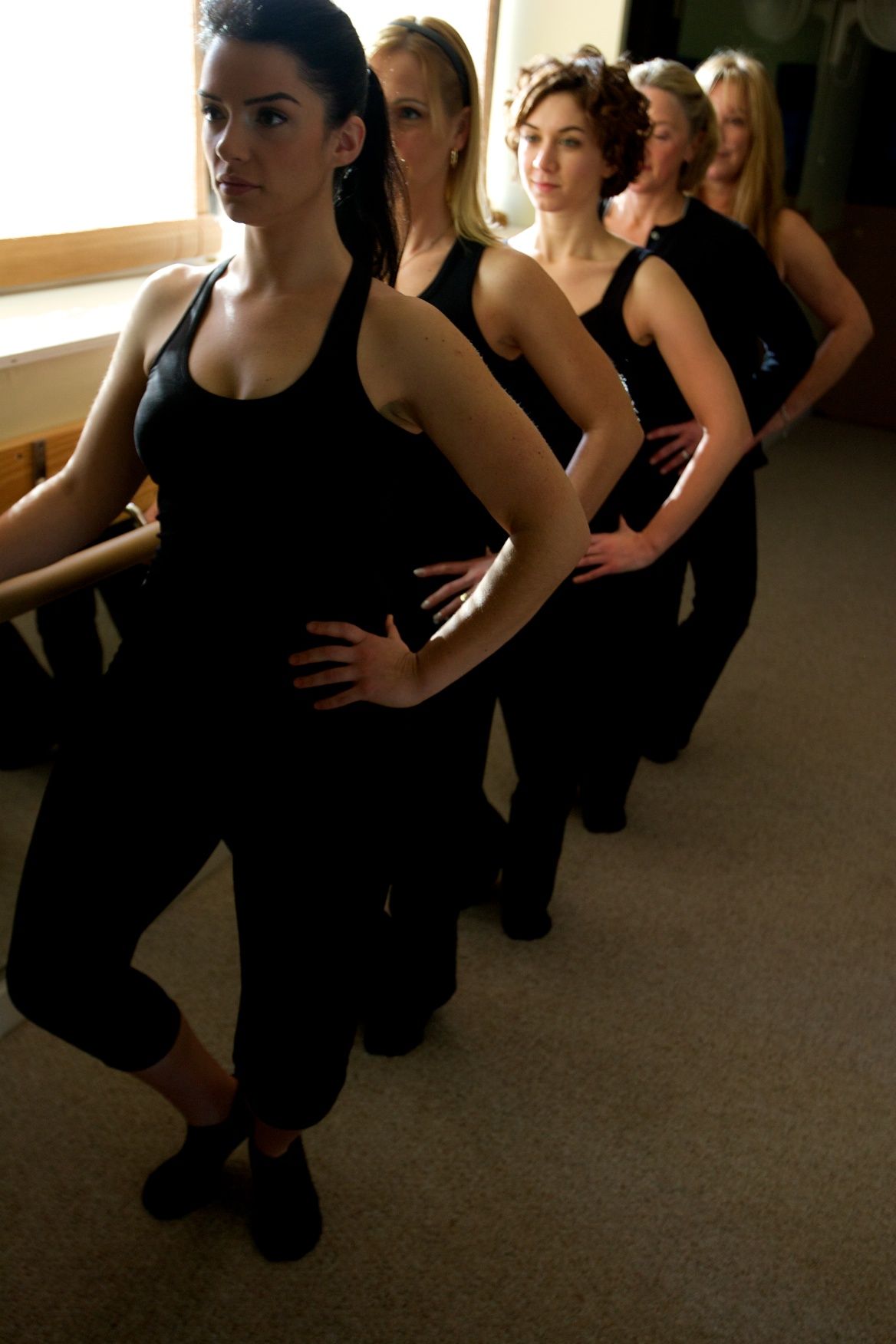
  • Barre
  • Mat Pilates
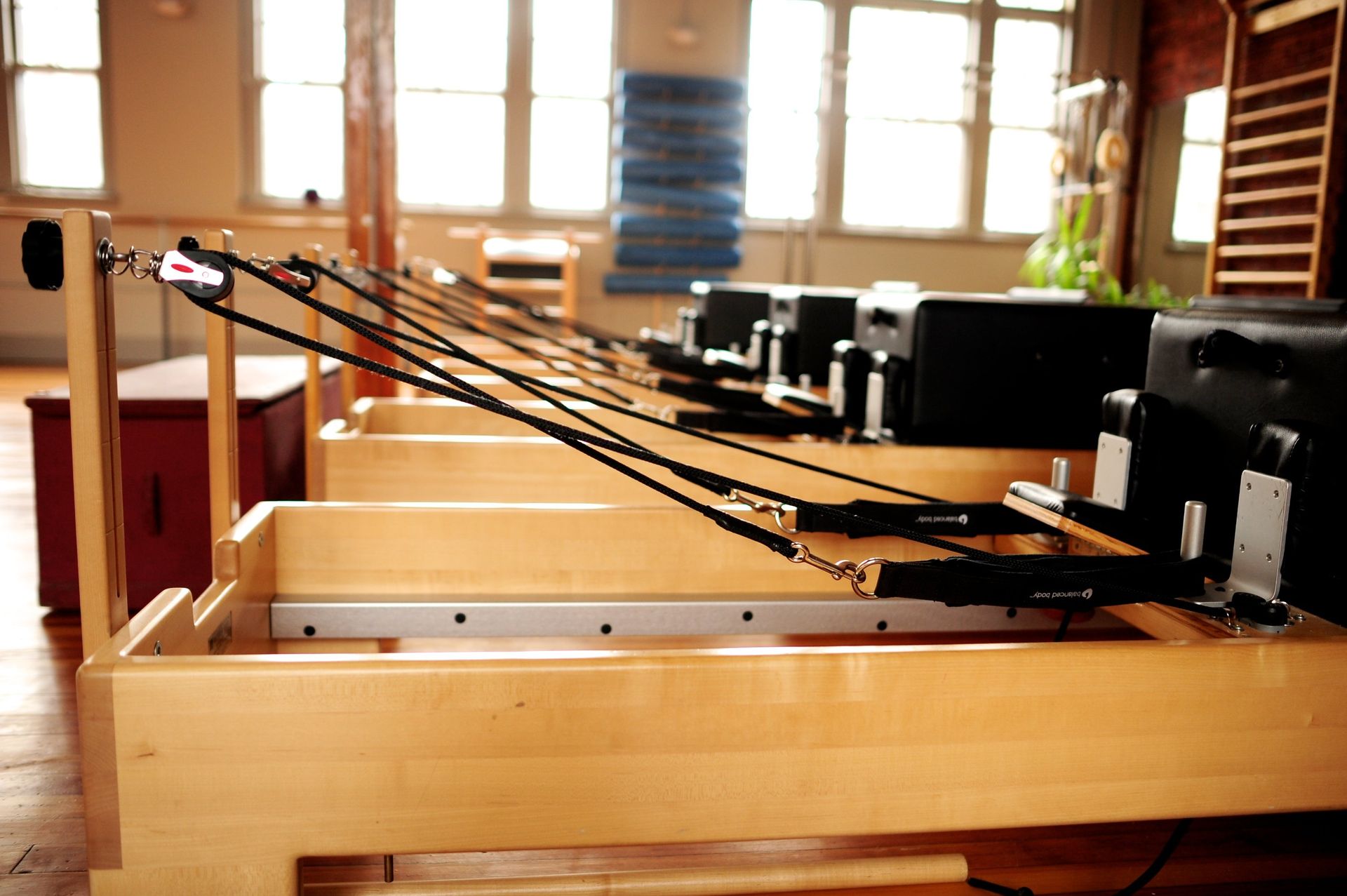
  • Reformer
  • Cadillac
  • Chair
  • Barrels

You can take one modality. You can stack them. You can build a full comprehensive pathway.

And you can do it in a way that fits your life.

If you work full time — we pace accordingly. If you’re parenting — we build flexibility. If you’re already teaching — we integrate your real classes into the process.

There is no race. There is no artificial deadline.

There is only skill development.


The Self-Paced Structure

Self-paced doesn’t mean unsupported.

It means:

  • You move through educational modules on your schedule
  • You practice in your body
  • You observe
  • You teach
  • You reflect
  • And then we meet

Our sessions are where learning actually consolidates.

We review:

  • Your cueing
  • Your sequencing
  • Your teaching style
  • Your blind spots
  • Your strengths

We talk about real situations.

What do you do when someone’s knee hurts? What do you do when the class energy drops? What do you do when someone is bored? Confused? Overwhelmed?

This is the part most trainings skip.

But it’s the part that makes a teacher.


You’re Not Training for a Test — You’re Training for Humans

I don’t train people to pass exams.

I train people to:

  • See bodies
  • Listen to breath
  • Read energy
  • Modify intelligently
  • Progress responsibly
  • And communicate clearly

Because in real life, no one asks:

“Can you name the original order of exercises?”

They ask:

“Can you help me feel better?”

“Can you challenge me without breaking me?”

“Can you make me want to come back?”

That’s the real job.


The Kind of Teacher This Model Creates

People who come through BarSculpt training tend to become teachers who:

  • Feel grounded instead of performative
  • Adapt instead of rigidly follow plans
  • Teach progressively instead of randomly
  • And build long-term relationships with clients

They’re not chasing trends. They’re not copying Instagram cues.

They’re developing their own voice.

And that voice is built through:

  • Feedback
  • Conversation
  • Reflection
  • And real experience

Not just memorization.


This Is Not the Fastest Path — It’s the Deepest One

If your main goal is:

“Get certified as fast as possible”

This is not for you.

But if your goal is:

“I want to be a teacher who actually knows what they’re doing”

Then this model is built for you.

Because depth takes time.

Skill takes practice.

And confidence comes from being seen, guided, corrected, and supported.


Who This Is For

This training is ideal for:

  • Career changers
  • Burned-out instructors
  • Studio teachers who want more depth
  • Movement professionals expanding their skill set
  • People who value mentorship over speed

It’s especially powerful for people who:

  • Have injuries
  • Work with special populations
  • Want to teach long-term
  • Or feel like they’ve outgrown generic systems


What Makes This Different (Truly)

Most programs promise:

“Here is everything you need to know.”

I promise:

“I will help you become someone people trust with their body.”

That’s a different outcome.

One is informational.

The other is transformational.


The Bigger Vision

BarSculpt Teacher Training is not about creating more teachers.

It’s about creating better ones.

Teachers who:

  • Care about longevity
  • Understand nervous systems
  • Respect individual bodies
  • And see movement as a lifelong practice

Not a performance. Not a trend.

A relationship.


In the End, This Is About This

You don’t need another certificate.

You need:

  • Guidance
  • Perspective
  • Feedback
  • And time to integrate

You need someone who has:

  • Taught for decades
  • Been injured
  • Owned studios
  • Mentored hundreds

And who is willing to sit with you — one-to-one — and help you become the teacher you’re capable of being.

That’s what BarSculpt offers.

Not mass education.

But real mentorship.

And in a world of fast, loud, and crowded fitness spaces — that might be the most valuable thing of all.


By Leslie Guerin February 2, 2026
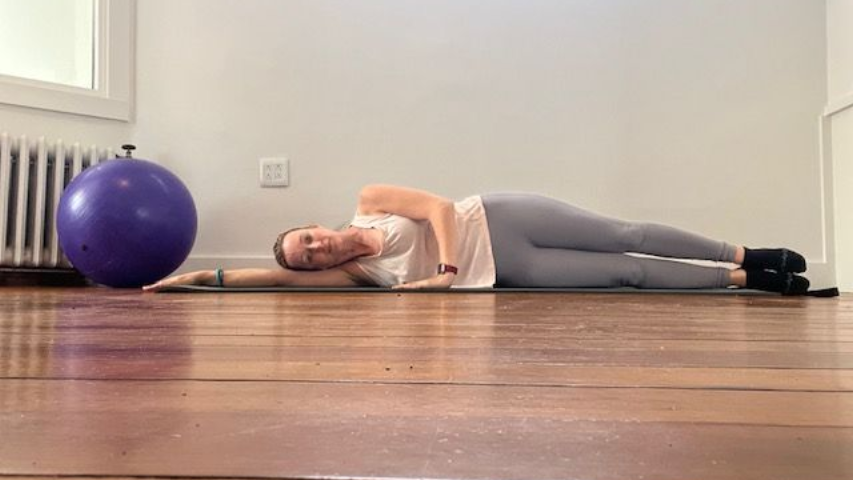
Stability Is Not Stillness — It’s Organized Effort “Hold still.” If you’ve ever taken one of my classes, you’ve heard me say it. And if you’ve ever felt it, you know it isn’t about freezing. Most of the time when a teacher says “hold still,” it’s because something else is happening. Maybe bouncing, gripping, bracing, or compensating of some kind. Something is moving that shouldn’t be. But “hold still” does not mean “be still.” Those two cues might sound similar, but in Pilates they mean very different things. Be Still vs Hold Still Be still is a pause. It’s a full stop. It’s often used so you can feel one specific thing: “Be still… feel your ribs.” “Be still… notice your pelvis.” “Be still… now breathe.” It’s about attention. Hold still is something else entirely. Hold still means: Stay organized Stay lifted Stay connected Stay breathing You are not passive. You are not collapsed. You are actively maintaining shape while something else moves. It is one of the most advanced skills in Pilates. Why Teachers Say “Hold Still” We say it when we see: The pelvis shifting The ribs popping The shoulders helping Momentum sneaking in The body is trying to get the job done by recruiting the wrong helpers. So “hold still” is really a request for clean movement : Let only the part that is supposed to move… move. Everything else must work just as hard, just not by changing position. Side-Lying Leg Lifts: The Perfect Example Let’s take one of the most deceptively simple exercises in mat Pilates: Side-lying leg lifts. On the surface, it looks like this: You lie on your side You lift the top leg You lower it But what is really happening is far more complex. This exercise is designed to balance one side of the body on the other . The top leg moves. The rest of the body holds still. Not rigid. Not collapsed. Not gripping. Holding. What “Hold Still” Actually Means Here While the top leg lifts and lowers: The bottom side of the body is working. The bottom rib cage is lifted off the mat, creating space The waist is long, not sagging The spine is stacked, not rolled back The top hand in front of the body is not there to lean on, it is there to quiet the rocking forward and backward. The pelvis stays level. No tipping. No hiking. No rolling. Everything that is not the leg is holding still... but nothing is relaxed. This Is Why Breathing Matters If you stop breathing, you are not holding still. You are bracing. Holding still means you can: Maintain the shape Keep the effort And still let the breath move That’s where the deep stabilizers do their job: The abdominals The muscles along the spine The lateral hip The inner thighs The breath becomes the test: Can you stay organized even while something else is moving? That’s real control. Why This Cue Changes Everything “Hold still” teaches the nervous system something incredibly important: You don’t create strength by moving more. You create strength by controlling what doesn’t move . That’s how: Hips become more stable Backs become more supported Movement becomes quieter and more powerful It’s also how injuries are prevented, especially in people who are flexible, mobile, or used to muscling through. So Next Time You Hear It… When I say “hold still,” I’m not asking you to freeze. I’m asking you to: Stay lifted Stay connected Stay breathing Stay honest Let the right thing move. Let everything else do its job. That’s Pilates.

By Leslie Guerin January 30, 2026
Small, regular efforts add up
By Leslie Guerin January 29, 2026
The Manual I Wish I Had When I Started Teaching Pilates
By Leslie Guerin January 28, 2026
A Thoughtful Approach to Barre, Mat Pilates, and Reformer Progression in the Modern Studio

By Leslie Guerin January 27, 2026
In Every Movement
By Leslie Guerin January 26, 2026
(And What to Say Instead)
By Leslie Guerin January 22, 2026
On music, Pilates, and the strange urge to prove you were there first
By Leslie Guerin January 21, 2026
More Than Just Neck Comfort
By Leslie Guerin January 20, 2026
Why Moving Through the Work Can Be Just as Meditative as Holding Still
By Leslie Guerin January 19, 2026
Why pulsing isn’t about speed—and why it’s becoming a mark of mastery in Pilates
Show More