My first Lagree Class
A mover’s perspective on unfamiliar equipment, loud trends, and quiet feedback

Today, I took my first Lagree class.
That sentence feels almost strange to write, considering how long I’ve been teaching, moving, cueing, and dissecting movement for a living. Lagree has been orbiting my professional world for years now—spoken about, referenced, borrowed from, adapted, sometimes misunderstood, sometimes revered.
But today was the first time I actually stepped onto the machine.
I took the class in San Juan, at a studio I worked at last year while spending time in Puerto Rico. At the time, they didn’t have the Lagree equipment. This year, they do. And because I now split my year between Maine and New Hampshire—where Lagree simply doesn’t exist in any meaningful way—this felt like an opportunity I couldn’t pass up.
I wanted to know what it felt like.
I wanted to understand what people are responding to.
And, perhaps most importantly, I wanted to experience it
as a student, not as a critic standing on the outside.
Context Matters
Before I go any further, context matters.
I’m not new to reformer-based movement. I’m not new to springs, carriages, instability, or intensity. I’m also not someone who believes one method is “better” than another simply because it’s different or harder or trendier.
I care about
feedback.
I care about
information.
I care about whether equipment teaches the body something—or simply demands endurance.
So I went in curious, open, and ready to sweat.
And sweat I did.
First Impressions: The Machine Itself
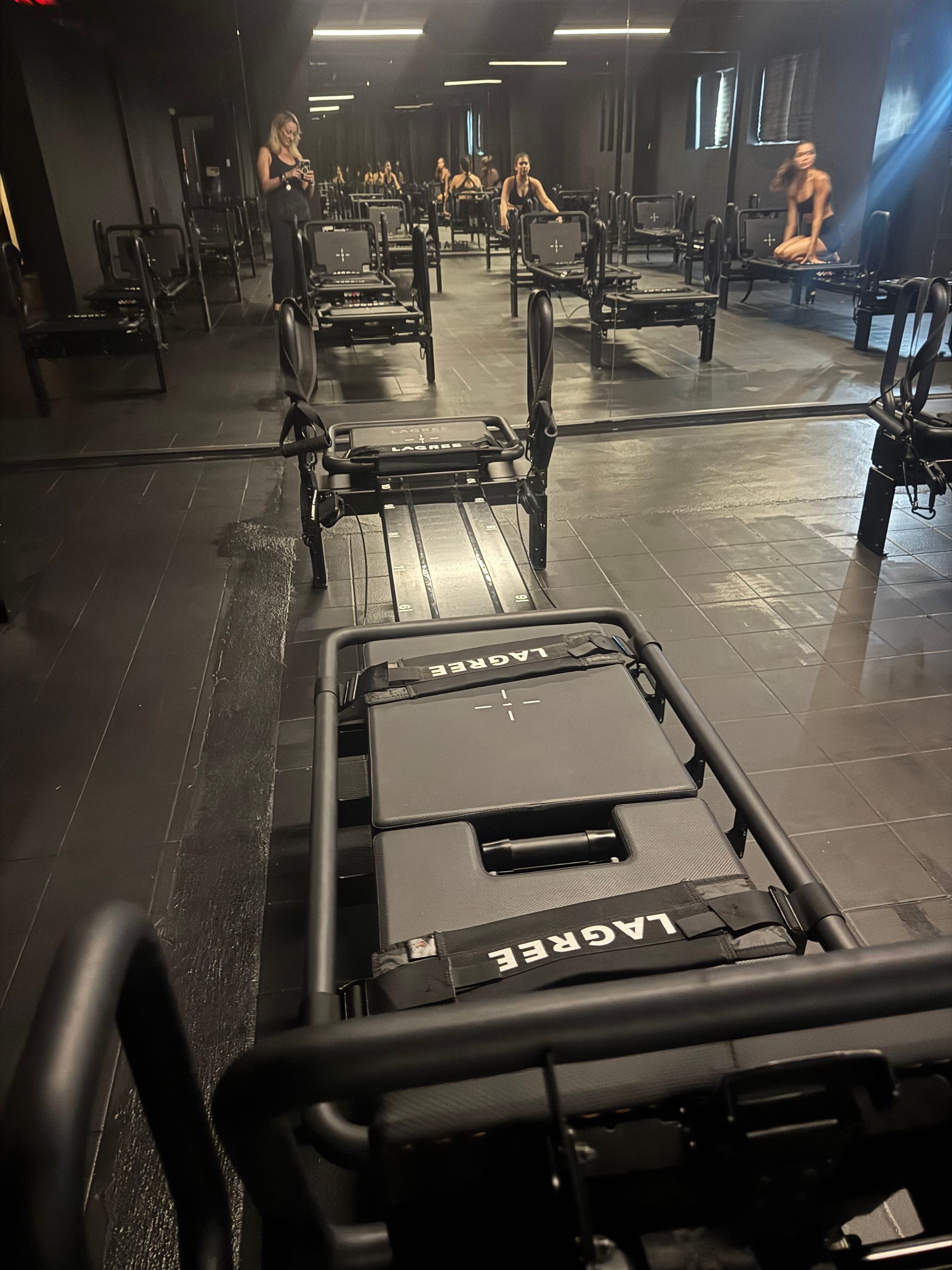
Let’s start with the obvious: the Lagree machine looks intense.
The monorail alone is visually intimidating. Long. Exposed. Unforgiving. It gives the impression that if you misstep, you’ll pay for it immediately. And maybe that’s part of the appeal.
What struck me right away, though, was what I didn’t see.
I missed the springs.
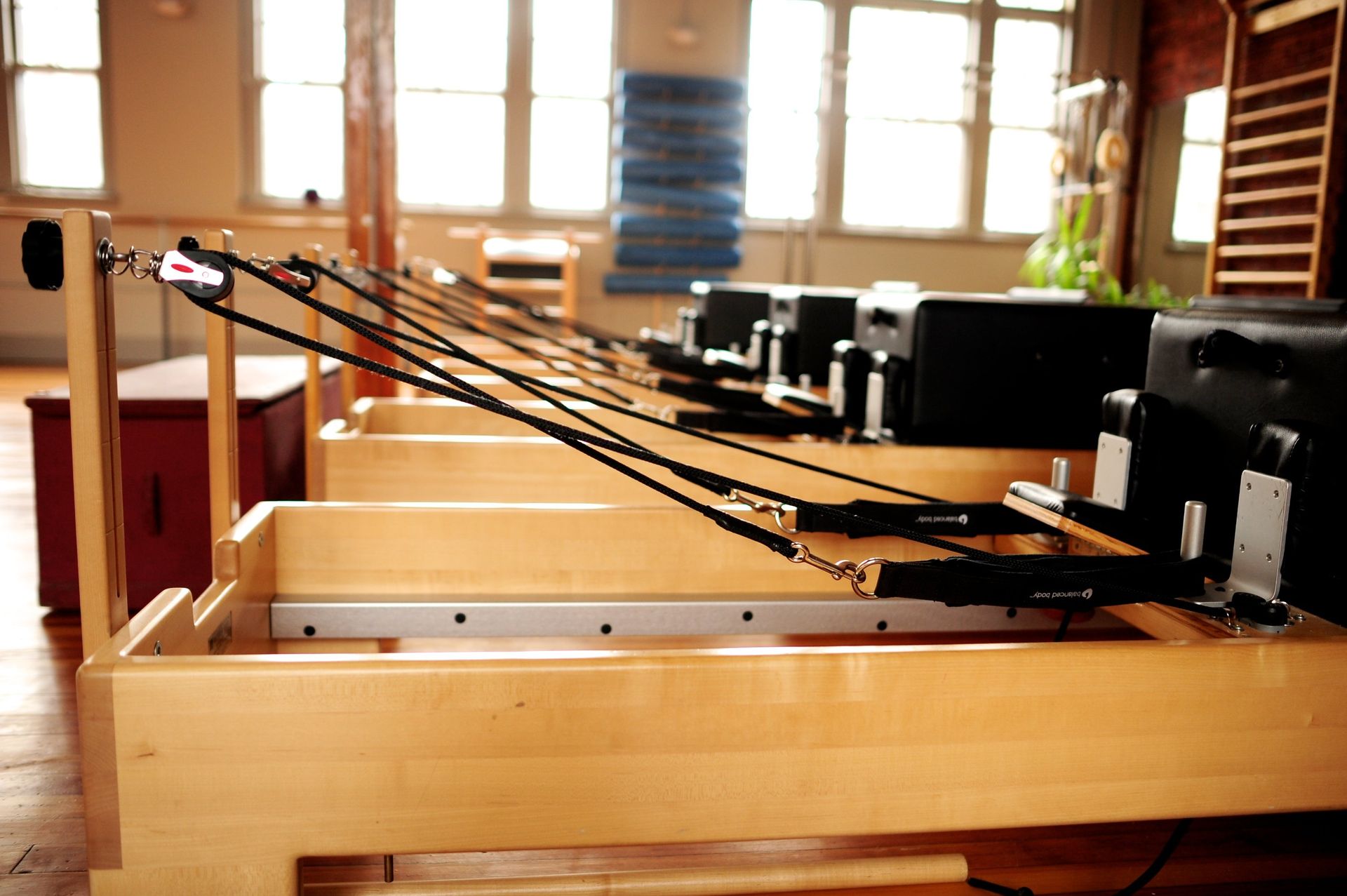
Not because I need to see them for nostalgia’s sake, but because springs are information. They tell you how much resistance you’re working with. They give auditory feedback. They teach timing. They allow you to adjust intelligently, not just physically.
On the Lagree machine, everything is hidden.
From a safety standpoint, I understand this. Covered springs reduce risk, reduce pinch points, and probably protect users from themselves.
But my immediate thought was:
How on earth would you fix this if something went wrong?
As someone who respects mechanics—both human and equipment-based—I found the hidden system oddly unsettling. Clean, yes. Safe, probably. But opaque.
Platforms, Padding, and Practical Wins
Now, let’s talk about what I genuinely appreciated.
The platforms on both ends of the machine were helpful. I don’t know that they’re revolutionary, but they do offer options. And I absolutely loved how comfortably padded every platform surface was.
This matters more than people realize.
Padding allows people to stay present in positions longer without bracing unnecessarily. It reduces the urge to shift weight just to escape discomfort. From an accessibility standpoint, that’s a real win.
The uprights—whatever their official name is—and the infamous “ring of fire” were also more supportive than I expected. My wrists tend to take stress easily, even on the mat, and I noticed immediately that these elements offered more wrist comfort and stability.
That alone made me more willing to stay in certain positions.
So yes—credit where it’s due. There are thoughtful design choices here.
And Then There’s the “Extra”
The straps.
The bungees.
The accessories that seem to exist simply because they can.
The arm straps and leg bungee, for me, crossed into what I can only describe as extra stupidity.
Not because resistance tools are bad, but because they added complexity without adding clarity. I didn’t feel that they improved my understanding of the movement. They just made it harder.
Harder is not the same as better.
And this is where my skepticism starts to show.
The Workout: Intense, No Question
Let me be very clear: the workout worked.
I was sweating.
My hamstrings were well attended to—and absolutely pissed off.
My hip flexors were more than happy to announce themselves.
And yes, they reminded me (loudly) that when I learn something new, I default to using them instead of my abdominals like a goddamn amateur.
That part is humbling—but not surprising.
Any time you put a body into an unfamiliar environment with unfamiliar rules, it will rely on its most dominant strategies. For me, that means hip flexors stepping in early and often.
That’s not a failure of the workout.
That’s just how bodies learn.
Where I Felt Disconnected
Here’s where things didn’t land for me.
Despite the intensity, I didn’t feel like the equipment gave me enough feedback to fix my posture or refine my organization. I didn’t feel guided into better alignment by the machine itself.
In traditional reformer work, springs talk to you.
They tell you when you’re centered.
They tell you when you’re cheating.
They tell you when something is off.
In this class, the work felt more like endurance under tension than a conversation with resistance.
I relied heavily on:
- The instructor’s cues
- Visual correction
- My own internal awareness
The machine didn’t teach me much on its own.
And that’s a significant distinction.
Why Feedback Matters More Than Burn
Burn is easy to create.
You can slow something down, load it up, and fatigue tissue quickly. That doesn’t require intelligence—it requires effort.
Feedback is harder.
Feedback helps someone understand:
- Where they are in space
- How their body is organized
- What’s compensating
- What needs to soften vs. activate
Without feedback, intensity can become noisy. It looks impressive. It feels hard. But it doesn’t necessarily build better movement.
Lagree, to me, felt brash in practice, just as it looks from the outside.
Bold. Demanding. Loud.
But not especially conversational.
Why I’m Still Glad I Took the Class
Despite all of this, I’m glad I took the class.
I took it in a place where I felt comfortable.
With teachers I know would correct me.
In an environment where I wasn’t trying to prove anything.
That matters.
Trying something new as an experienced mover is vulnerable. You’re suddenly aware of habits you thought you’d outgrown. You notice compensations faster—and judge them harder.
Taking this class reminded me how important entry points are. How much courage it takes for someone without movement literacy to walk into a room like that.
Which brings me to something I think is worth saying plainly.
Lagree Isn’t the Problem—Expectation Is
Lagree isn’t inherently bad.
It isn’t dangerous by default.
And it isn’t superior simply because it’s hard.
It’s a tool. And like any tool, what matters is how it’s used, who it’s for, and what it’s trying to teach.
My concern isn’t with the method—it’s with the assumption that more intensity equals better results, or that visible struggle equals progress.
For bodies that need feedback, reassurance, and a sense of safety—especially those returning from pain—this environment could easily overwhelm rather than educate.
That doesn’t make it wrong.
It just makes it specific.
What This Experience Clarified for Me
This class didn’t make me want to teach Lagree.
But it did reinforce why I teach the way I do.
I believe in:
- Progressive load with feedback
- Equipment that teaches, not just resists
- Cues that create understanding, not urgency
- Strength that feels supportive, not punishing
And I believe deeply that people don’t need more intensity—they need more context.
Final Thoughts
Trying Lagree for the first time reminded me what it feels like to be new again. To be uncertain. To work hard without fully understanding why something feels the way it does.
There’s value in that reminder.
But for me, movement will always be about conversation—not confrontation.
About listening, not just surviving.
And while I respect the sweat, the structure, and the stamina Lagree demands, I’ll continue choosing—and teaching—methods that prioritize feedback over flash.
Because burn fades.
Understanding lasts.