There are certain cues in Pilates that get passed down like family recipes. No one quite remembers where they came from, but everyone keeps using them.
One of those is:
“Pull in your ribs.”
Or its cozy cousin, “Knit your ribs together.”
I have to admit something: this cue never made sense to me.
I don’t knit.
I don’t visualize yarn.
And my rib cage does not feel like a sweater.
So when someone told me to “knit my ribs together,” all I felt was tension. My shoulders lifted, my neck tightened, and my breathing stopped. If anything, I became less connected to my core — not more.
This is exactly why words matter.
In Pilates, especially in Mat work, we are often trying to control how the rib cage moves relative to the pelvis. The ribs are designed to move. They expand when we breathe in. They soften when we breathe out. But in many exercises, especially supine ones like Toe Taps, we want the rib cage to stay heavy and quiet so the legs can move without dragging the spine with them.
That is the intention behind “pull in your ribs.”
But the cue itself doesn’t explain that.
When someone hears “pull in,” they usually brace. They flatten their chest. They hold their breath. They create rigidity instead of support. That’s not stability — that’s fear.
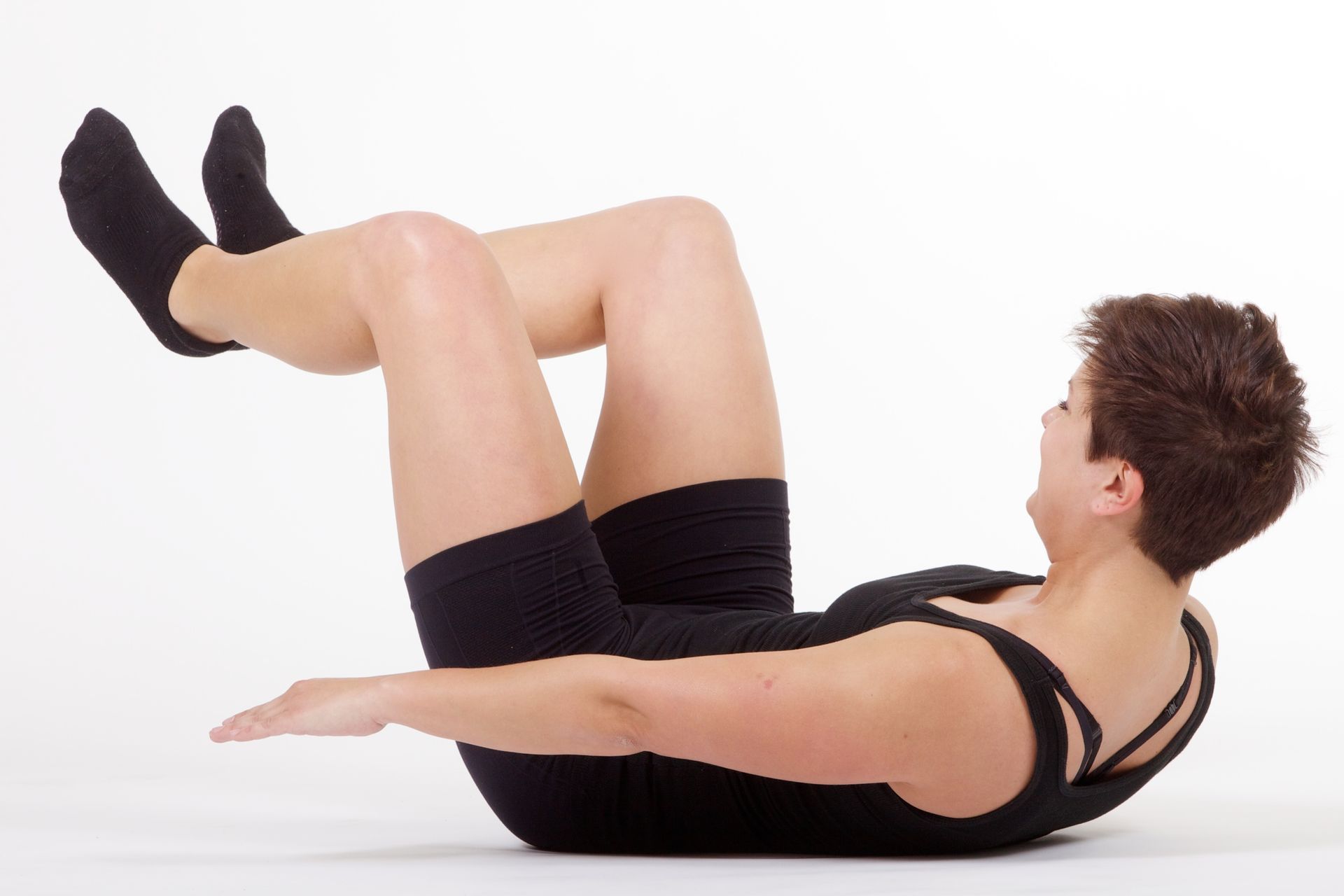
Toe Taps are a beautiful place to feel this.
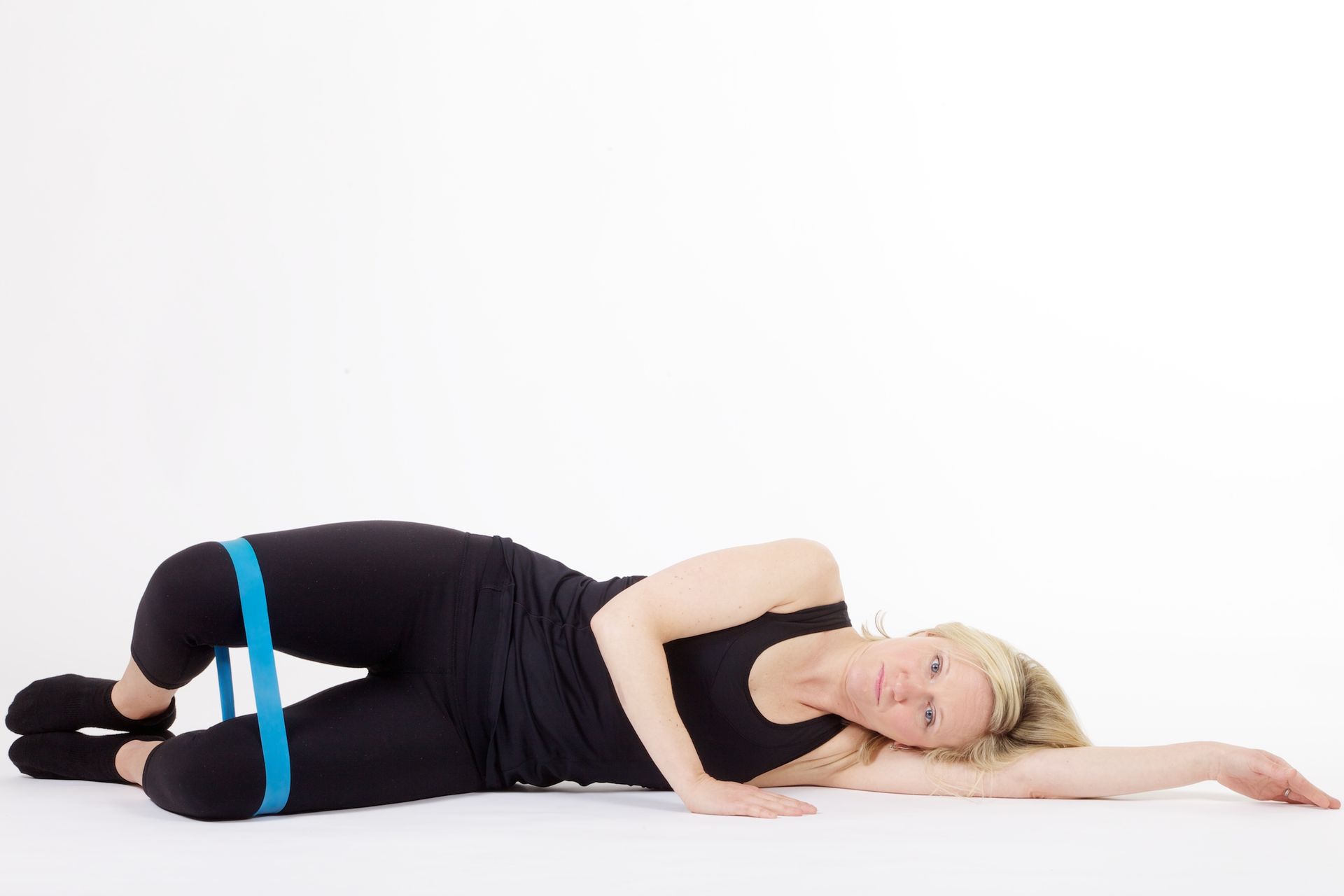
When you lie on your back with your knees bent in tabletop and begin lowering one foot toward the floor, the ribs want to pop up. The front of the chest wants to lift. The back of the ribs wants to lose contact with the mat. That movement is the body trying to help the leg move.
But in Pilates, we want something else. We want the leg to move because the hip joint moves — not because the spine shifts.
So instead of telling someone to “pull in their ribs,” I might say something very different.
I might say,
“Let the back of your ribs stay heavy on the mat as the leg moves.”
Now the body knows what to do.
Suddenly, the person isn’t trying to create tension in the front of their body. They’re organizing the back of it. They’re feeling where they are in space. They can breathe. They can sense when they’ve lost it.
That’s what good cueing does. It gives the nervous system something real to respond to.
Toe Taps are not about flattening your stomach.
They are about teaching your ribs and pelvis how to cooperate.
When the ribs stay quiet, the deep abdominals can do their job. The hip flexors don’t take over. The neck doesn’t grip. The breath can keep flowing.
And none of that comes from knitting.
It comes from understanding what should move… and what should not.
This is what Behind the Cue is all about. Taking the phrases we’ve inherited, looking at what they were trying to accomplish, and then choosing words that actually help bodies get there.
Because when someone understands what their ribs are doing, they stop fighting their core — and they start trusting it.