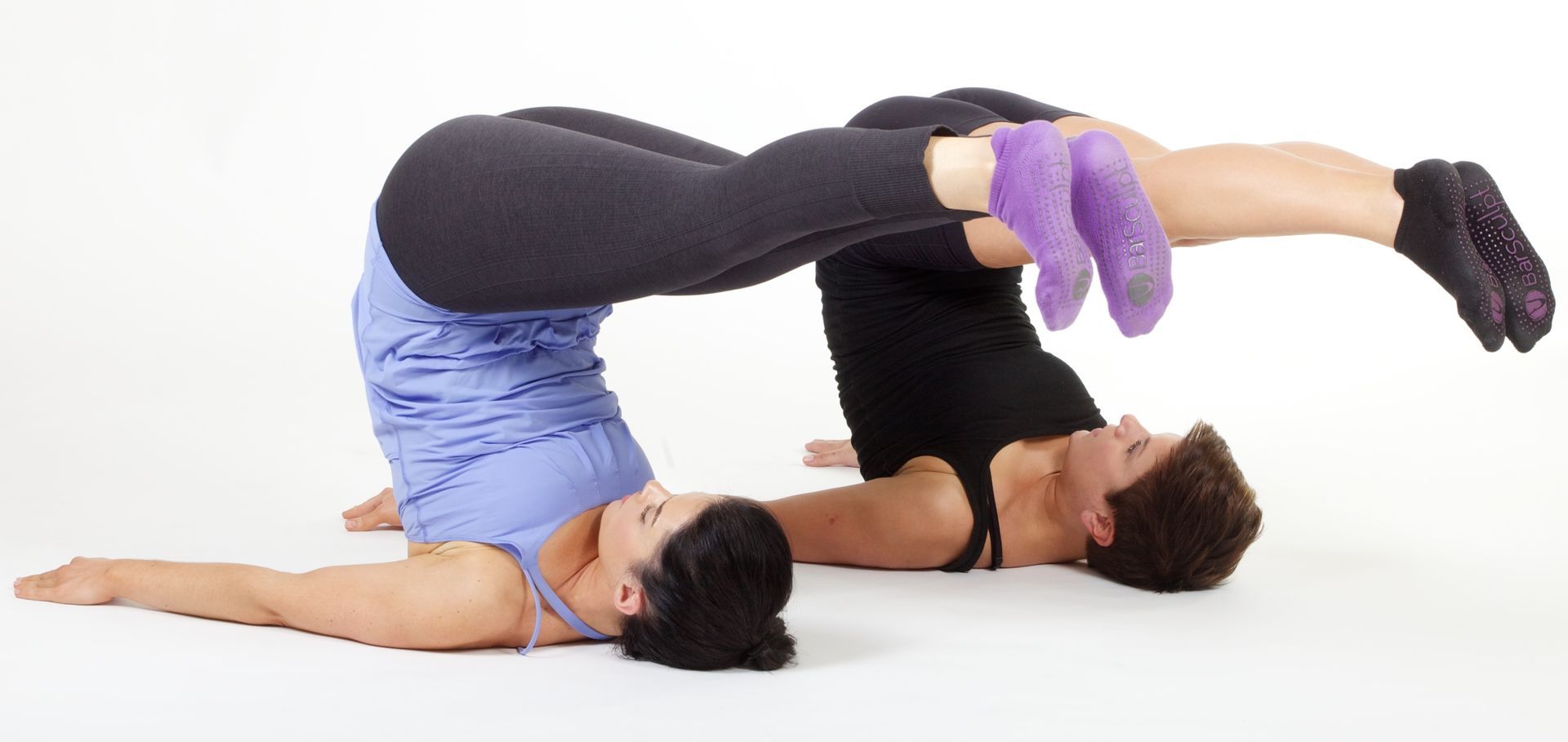
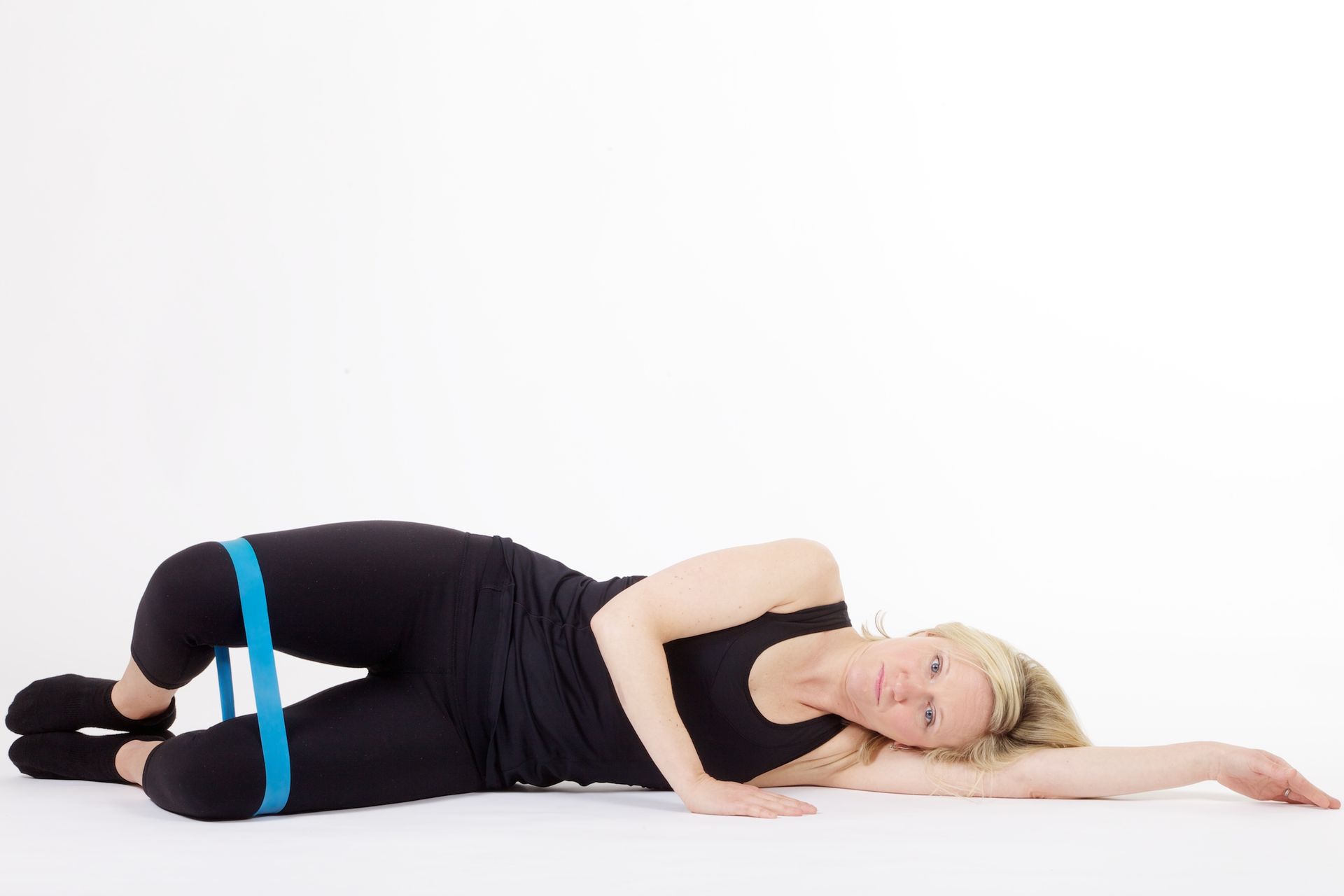
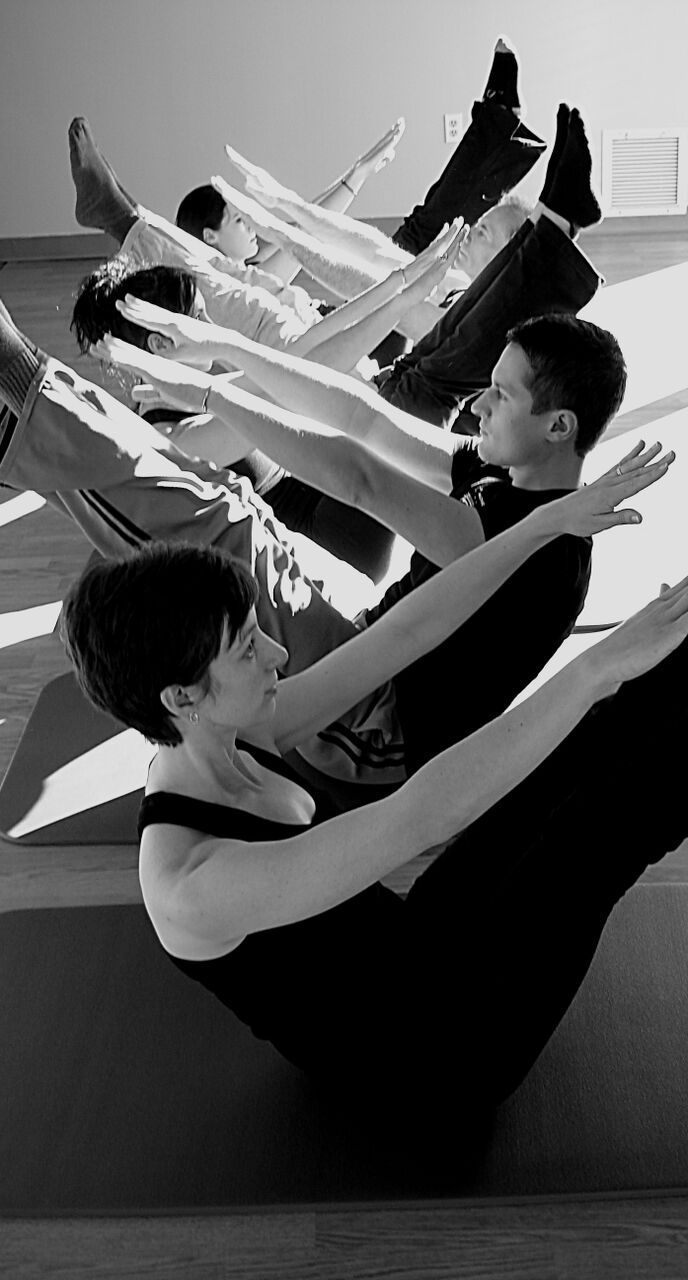
There is a reason the mat has always been the foundation of Pilates, even in a world that loves the reformer. And I say that as someone who genuinely loves the reformer. The reformer is incredible. It is supportive, intelligent, and beautifully designed. It gives feedback through springs, guidance through straps, and yet, it almost feels like a hug while you work out. For many clients, especially beginners or those recovering from injury, that support is comforting and empowering. It allows movement to feel safer and more organized right away. But support and foundation are not the same thing.
The mat is where the truth lives.
When you are on the reformer, the springs help guide you. The carriage gives you resistance. The straps assist alignment. Even unintentionally, the equipment can compensate for subtle imbalances. In someways the reformer will not allow you to cheat, but in others it can aid the hiding of inequality. In other ways the reformer can help you succeed before you fully understand how you are succeeding.
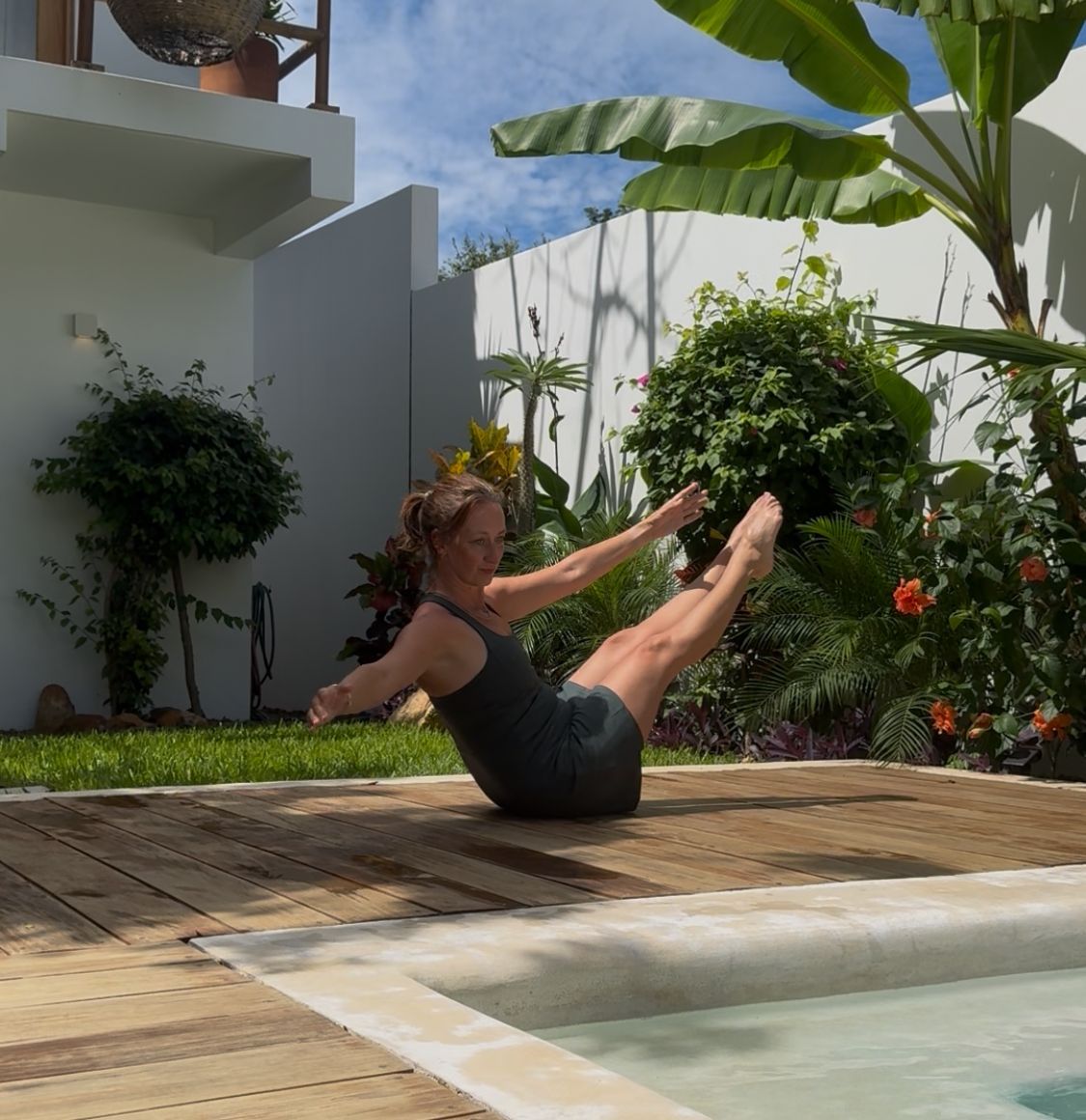
On the mat, there is no assistance. Just your body, gravity, and your understanding of the work. This is why the mat is so revealing.
The ways we overwork show up faster.
The ways we underwork show up faster.
The ways we compensate show up immediately.
If your ribs flare, you feel it.
If your pelvis shifts, you notice it.
If your breath stops, there is nothing to hide behind.
And that is not a bad thing. It is the gift of the method.
So often, people assume mat is “easier” because it looks simpler. But simplicity does not mean ease. In fact, the mat demands a level of organization and internal awareness that equipment can temporarily mask. Without external support, your body has to learn how to support itself.
This is where real strength begins.
It is also where intelligent teaching begins.
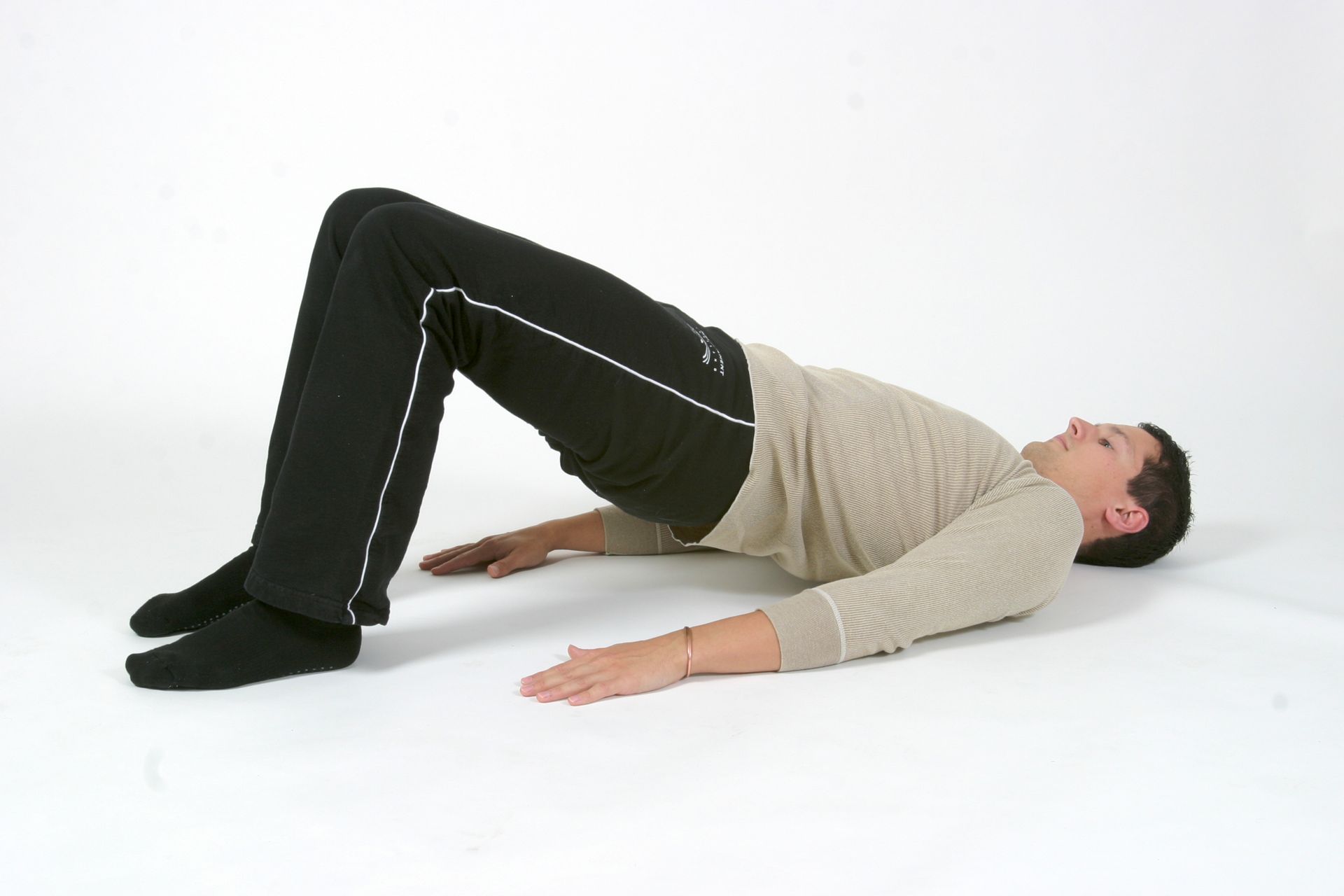
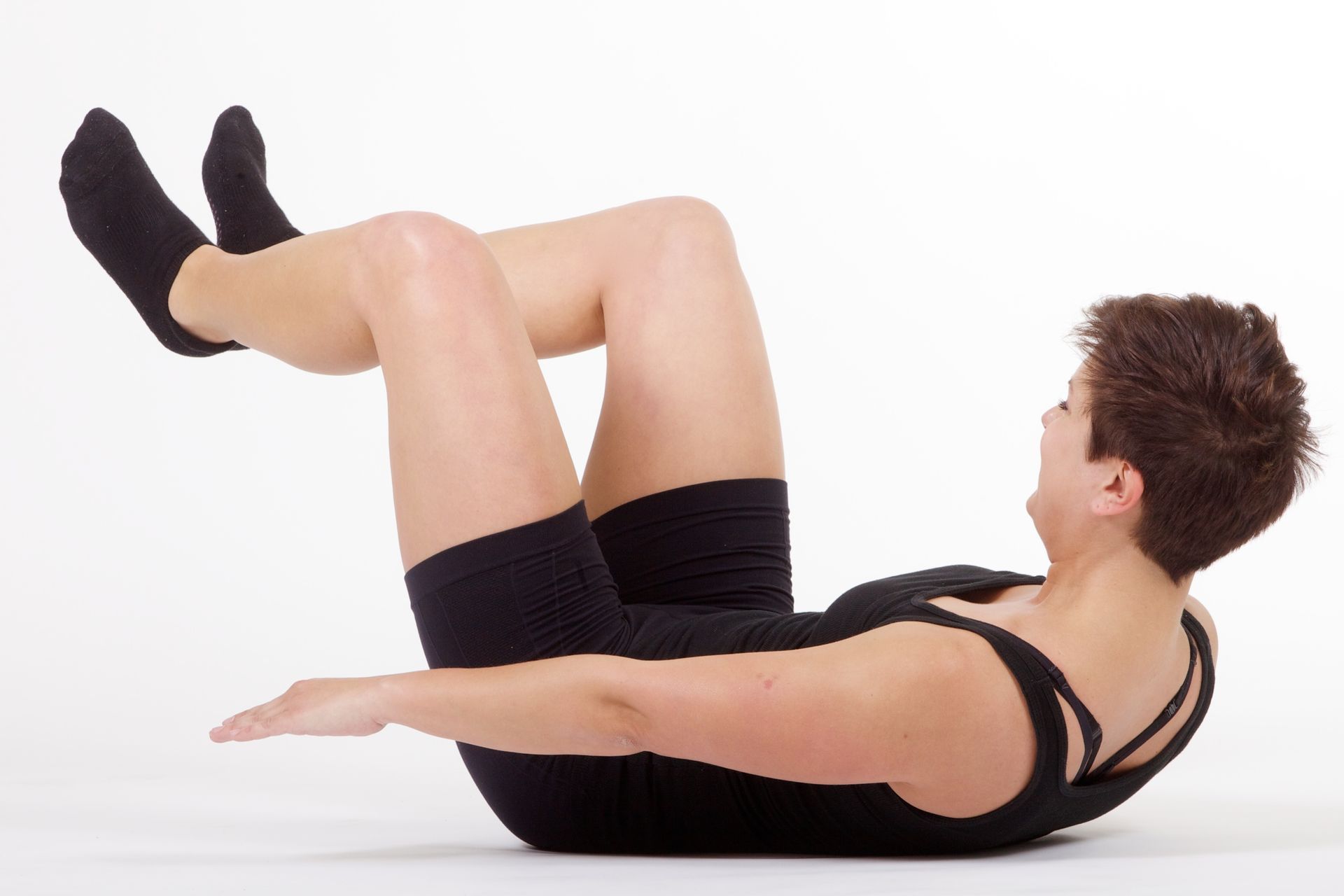
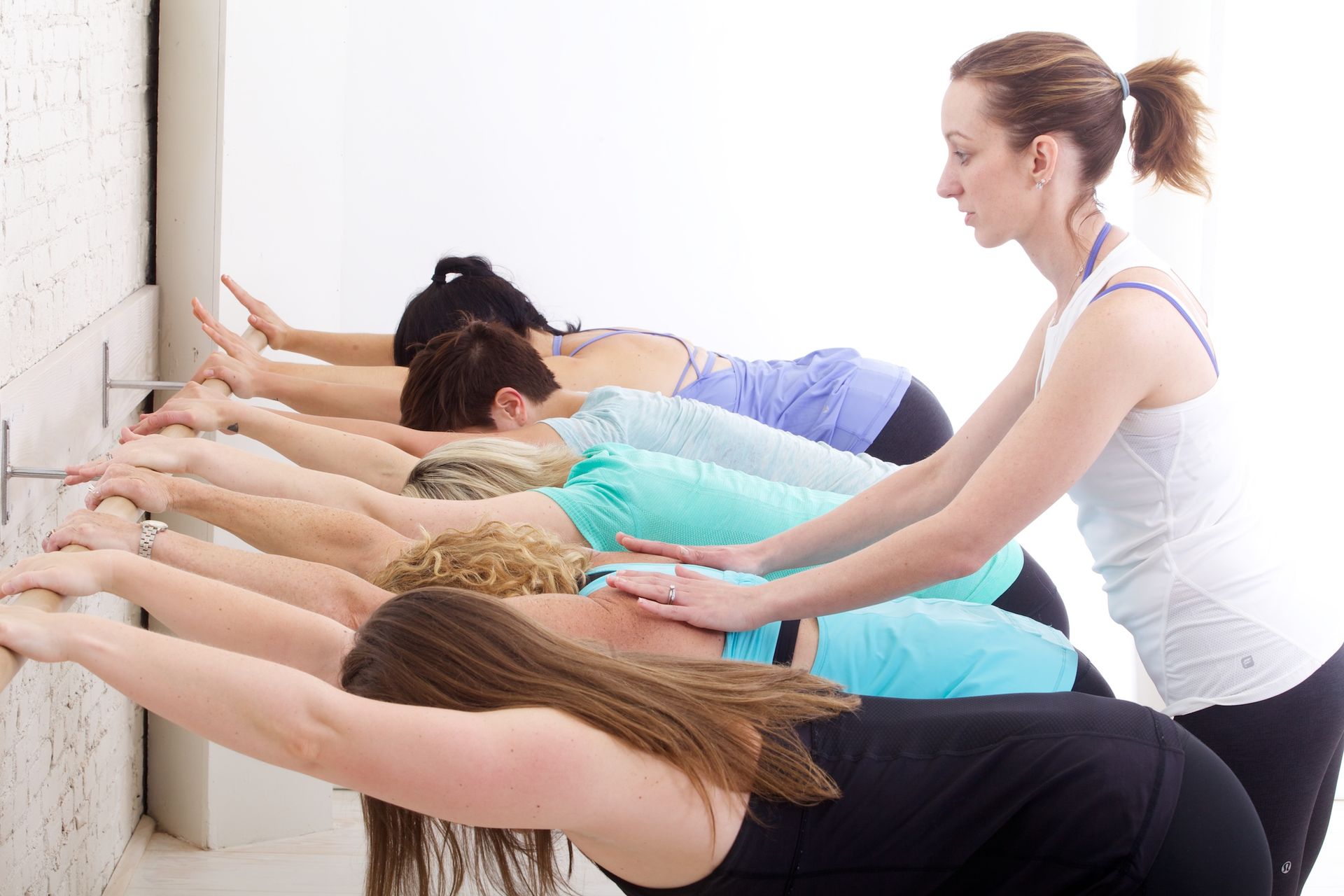
As teachers, we can see compensation patterns much more clearly on the mat. We can observe how the spine articulates, how the pelvis responds to leg movement, how the rib cage interacts with breath. These are not small details. They are the foundation of safe and sustainable movement.
Once those patterns are seen, they can be refined beautifully on the reformer.
This is where the relationship between mat and reformer becomes so powerful. The mat reveals. The reformer refines.
If someone grips their hip flexors during a mat exercise, the reformer can help redistribute the workload with spring support. If someone struggles with spinal articulation on the mat, the reformer can offer feedback and resistance that helps them understand sequencing. If someone is underworking their deep abdominals, the reformer can provide just enough assistance to help them find the connection without panic or over-bracing.
But if the foundational awareness is never developed on the mat, the reformer can become a place where compensation becomes more sophisticated instead of more resolved.
This is something I see often. Strong, dedicated clients working hard, sweating, moving beautifully on the reformer — yet still unsure where the work is actually coming from. When we bring them back to the mat, everything becomes clearer. Suddenly they can feel what is moving, what is stabilizing, and what is simply along for the ride.
It is not a step backward.
It is a return to the roots.
Historically, the mat was never meant to be an afterthought. It was the core of the work. The equipment was designed to support and challenge the principles already established on the mat. Not replace them.
And from a teaching perspective, the mat is one of the most valuable classrooms you can have.
You learn to cue more precisely.
You learn to observe more carefully.
You learn to trust the method instead of relying on props.
Because when a client can control their body against gravity on the mat, their movement on the reformer becomes more efficient, more intentional, and often more advanced without forcing it.
There is also something deeply empowering about mat work for clients. It removes the intimidation of equipment and replaces it with accessibility. A mat can live in your home, your studio, your travel routine, your recovery plan. It is consistent. Reliable. Honest.
And honesty is what builds longevity in movement.
Especially as we age, the ability to articulate the spine, stabilize the pelvis, and coordinate breath with movement becomes more important than flashy choreography or heavy resistance. The mat trains these skills in their purest form.
It teaches you how to move when nothing is helping you.
Which means you can move anywhere.
That is why, even for advanced practitioners and teachers, returning to the mat is not a regression. It is a recalibration. A refinement. A deepening of the work that supports everything else you do — barre, reformer, sculpt, and beyond.
The reformer may feel like a hug.
But the mat teaches you how to hold yourself.
And that is the true foundation of Pilates.
If you are ready to truly understand the method, strengthen your teaching, and build a foundation that supports every other modality you teach or practice, my
Mat Pilates Hybrid Teacher Training enrollment is now open.
This program blends online study with live mentorship, so you not only learn the exercises, but understand how to see, cue, and teach them with clarity.
Enrollment is open now and space is limited.
Join the Mat Pilates Hybrid Training and build your foundation from the mat up.